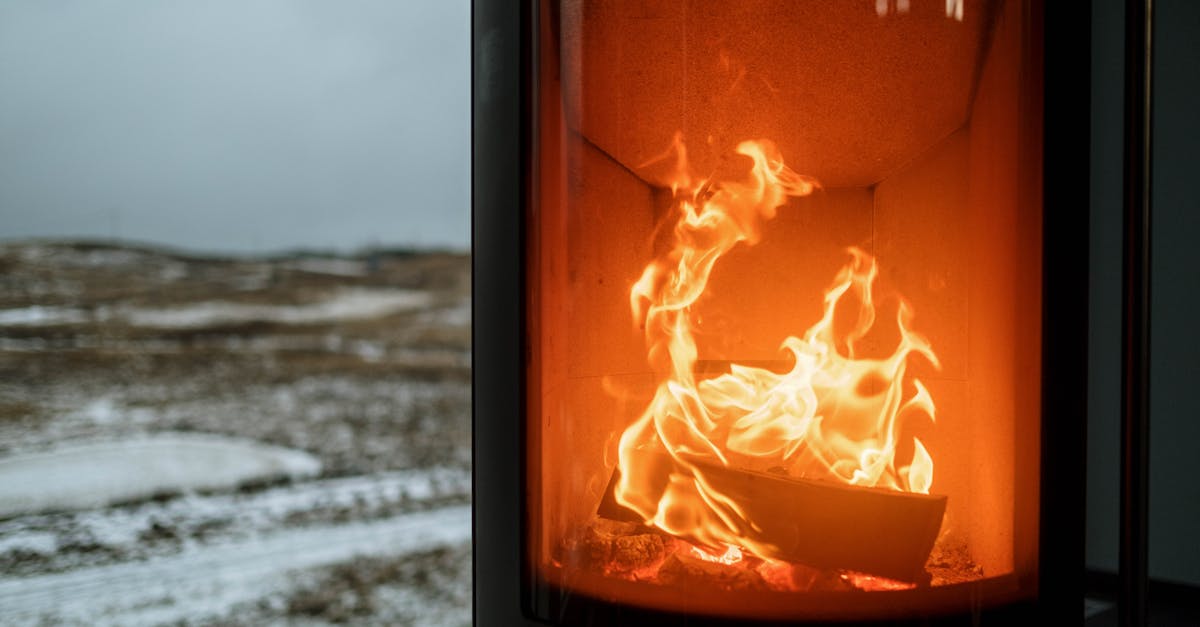
Why Your Home Always Feels Cold (Even With The Heating On) — And What Actually Works for Real Warmth
You’ve cranked up the thermostat, waited patiently, and still, that persistent chill clings to your home. The furnace hums, the vents blow, but stepping into certain rooms feels like entering a different climate zone. It’s frustrating, wasteful, and frankly, makes your sanctuary feel less than comforting. I’ve been there, shivering under blankets while the thermostat read a perfectly respectable 72 degrees. The mistake I see most often is that people assume a higher thermostat setting is the only answer, when in reality, the issue usually lies in a series of overlooked inefficiencies. What changed everything for me was realizing that true warmth isn’t just about heat generation, but about heat retention and distribution.
Key Takeaways
- Your furnace filter might be severely restricting airflow, causing inconsistent heating and higher energy bills.
- Undetected air leaks around windows, doors, and electrical outlets are often the primary culprits for cold spots.
- Imbalanced ductwork or closed registers can prevent warm air from reaching colder rooms effectively.
- Poor insulation in walls, attics, or crawl spaces allows significant heat escape, negating your heating efforts.
- Simple zoning adjustments and smart thermostat strategies can dramatically improve comfort and efficiency without constant thermostat battles.
Your Furnace Filter Is a Silent Saboteur (Yes, Really)
Most homeowners know they should change their furnace filter, but few understand the profound impact a clogged one has on their heating system. In my experience, a dirty filter isn’t just a minor inconvenience; it’s a silent saboteur that actively works against your efforts to warm your home. Think of your furnace as the lungs of your heating system. A clogged filter is like trying to breathe through a thick, dusty cloth – it reduces the amount of air your furnace can pull in and push out. This drastically lowers airflow, making your furnace work harder and longer, yet delivering less effective heat to your living spaces.
I once lived in a rental where the heating bills were astronomical, and the house still felt perpetually cold. The landlord insisted the furnace was new. After a particularly chilly winter, I finally checked the filter myself. It was so thick with dust and pet hair, it looked like a felt blanket. The moment I replaced it with a fresh, clean filter, the difference was immediate and astonishing. The air coming from the vents was stronger, warmer, and the house began to heat more evenly. We saw our heating bill drop by almost 15% that month alone.
The critical insight here is that restricted airflow doesn’t just make your furnace less efficient; it can also cause your furnace to overheat and short-cycle, meaning it turns on and off frequently without properly heating the house. This reduces its lifespan and wastes fuel. Most manufacturers recommend checking your filter monthly and replacing it every 1 to 3 months, depending on factors like pets and allergies. Don’t just assume it’s fine. Pull it out, hold it up to the light, and if you can’t see through it easily, it’s time for a change. This simple, inexpensive task is often the first, most impactful step to achieving real warmth.
Unseen Air Leaks Are Bleeding Your Warmth Away
Turning up the heat when your home has significant air leaks is like trying to fill a bucket with a hole in the bottom. You can pour in all the hot air you want, but it’s constantly escaping. What nobody talks about enough is just how pervasive and insidious these leaks can be. We often think of major cracks, but in reality, warmth escapes through tiny, seemingly insignificant gaps around windows, doors, electrical outlets, recessed lighting, and even where plumbing enters walls.
I remember a client who swore her heating system was broken. Her living room, despite having multiple heat registers, was always 5-7 degrees colder than the hallway. We did a simple ‘smoke test’ with an incense stick around her large picture window and were shocked to see the smoke waft inwards. The previous homeowner had neglected to re-caulk after a painting job. A single afternoon spent sealing those gaps with quality caulk and weatherstripping made an immediate, noticeable difference. The living room finally felt comfortable, and she no longer needed three sweaters just to watch TV.
The real-world context here is that a leaky home can lose up to 20% of its heated air through these small cracks and openings. This isn’t just about drafts; it’s about a constant exchange of warm indoor air for cold outdoor air. To find these culprits, walk through your home on a windy day and feel for drafts. Pay close attention to: the perimeter of windows and door frames, gaps around electrical outlets (use foam gaskets), attic hatches, fireplace dampers, and even utility penetrations. A tube of caulk, a roll of weatherstripping, and some outlet gaskets are inexpensive tools that can make a monumental difference in stopping this warmth bleeding.
Your Ductwork and Registers Might Be Working Against You
Even with a clean filter and a sealed envelope, your home can still feel cold if the warm air isn’t reaching where it needs to go. This is a common misconception: people assume if the furnace is on, hot air automatically flows everywhere. The truth is, your ductwork and individual registers play a crucial role in heat distribution, and they can often be working against you without you realizing it. An imbalanced system, leaky ducts, or improperly adjusted registers can create frustrating cold spots.
In my own home, the furthest bedroom from the furnace was always significantly colder. My first instinct was to close registers in unused rooms to push more air there. Big mistake. This actually increased static pressure in the ductwork, making the furnace less efficient and still not solving the core problem. The breakthrough came when I realized the duct leading to that room was partially collapsed in the crawl space and also had a few small tears. Once repaired and sealed with mastic tape, the difference was incredible. The air pressure equalized, and the bedroom finally received its fair share of warmth.
The actionable insight is to consider your entire heating system as an interconnected network. Check your ductwork for leaks. Ducts running through unheated spaces (attics, crawl spaces, garages) are particularly vulnerable to leaks and poor insulation. Sealing these with mastic tape (not regular duct tape!) can prevent substantial heat loss. Also, adjust your registers strategically. Instead of closing them fully, try partially closing registers in warmer, less-used areas and ensuring registers in colder rooms are fully open and unobstructed by furniture or curtains. Consider balancing dampers if your system has them, or even a professional duct cleaning and balancing if the issue persists. A balanced system ensures an even flow of warm air, eliminating those frustrating temperature disparities.
Poor Insulation Is a Hidden Heat Vampire
While air leaks are like small holes in your bucket, poor insulation is like having no bucket at all. It’s the silent, unseen heat vampire that continuously sucks warmth out of your home, regardless of how much you try to heat it. Many older homes, or even newer homes with builder-grade insulation, simply don’t have enough to effectively retain heat, especially in key areas like the attic, walls, and crawl space. You can run your furnace all day, but if that heat has nowhere to stay, it’s a losing battle.
I recall a particularly challenging case with a historic home. The owners had spent a fortune on a new high-efficiency furnace, yet the upstairs bedrooms remained frigid. After an energy audit, we discovered the attic had only a few inches of old, matted insulation. Upgrading the attic insulation to modern R-values made the biggest difference in their comfort and heating costs. They reported the upstairs finally felt ‘snug’ and warm, even on the coldest days, without having to blast the heat.
The real lesson here is that insulation is your home’s thermal envelope. It’s the barrier that keeps warm air in during winter and cool air in during summer. Without adequate insulation, your heated air quickly dissipates through your roof, walls, and floors. Start by assessing your attic: ideally, you should have at least 10-14 inches of insulation. If you can easily see your ceiling joists, you likely need more. For walls, consider blown-in insulation, though this is a larger project. Even insulating exposed pipes in unheated basements or crawl spaces can prevent significant heat loss and burst pipes. Investing in proper insulation provides a long-term return on investment, not just in comfort but in reduced energy consumption.
Battling the Thermostat: Zoning and Smart Strategies for Harmony
Perhaps the most common household battle is over the thermostat. One person is too hot, another is too cold, and the simple act of setting a temperature becomes a point of contention. This often happens because homes are rarely heated uniformly. Different rooms have different heating needs based on their exposure to sunlight, insulation levels, and usage. A single, central thermostat struggles to manage these diverse demands, leading to over-heating in some areas and persistent cold in others.
My personal breakthrough came when I implemented a simple form of ‘pseudo-zoning’ using smart vents and a smart thermostat. We have a home office that gets direct afternoon sun, making it significantly warmer than the north-facing guest room. Previously, we’d either overheat the office or freeze the guest room. By installing smart vents that could be controlled individually and integrating them with our smart thermostat, I could program the system to deliver less heat to the office and more to the guest room, all without installing a costly multi-zone HVAC system. The comfort level across the house dramatically improved, and the thermostat wars ceased.
The key is to move beyond a one-size-fits-all approach. Consider smart thermostats with room sensors. These devices allow you to prioritize heating in the rooms you’re actually using, ensuring those spaces are comfortable regardless of the temperature in other, less critical areas. Alternatively, explore options like electric baseboard heaters or portable infrared heaters for specific cold spots that consistently lag. While these add to your energy bill, they can be a more efficient solution than trying to heat the entire house to a higher temperature just for one chilly room. A balanced approach that combines efficient insulation and air sealing with smart heating distribution strategies is what truly delivers consistent, cozy warmth throughout your home.
Frequently Asked Questions
Q: Why is my house cold even though the furnace is running constantly?
A: This is a classic sign of inefficiency. Your furnace is working hard, but heat is either escaping rapidly due to poor insulation and air leaks, or it’s not being distributed effectively due to a clogged filter or ductwork issues. It’s like trying to fill a leaky bucket with a slow hose. Address air leaks, check your furnace filter, and inspect ductwork for blockages or damage.
Q: Can closing vents in unused rooms help heat other rooms better?
A: While intuitively it seems like it would, fully closing vents can actually create more problems. It increases static pressure in your ductwork, making your furnace work harder and less efficiently, potentially damaging the system over time. Partially closing them in warmer rooms or using smart vents for precise control is a better strategy. Focus more on sealing leaks and improving insulation than on aggressively closing vents.
Q: How can I find hidden air leaks in my home?
A: A simple and effective method is to use an incense stick or a lit candle. On a windy day, slowly move it around windows, doors, electrical outlets, and any penetrations in exterior walls. If the smoke or flame flickers or is pulled inwards, you’ve found a leak. For a more comprehensive assessment, consider a professional home energy audit that includes a blower door test.
Q: Is it better to keep my thermostat at a constant temperature or lower it when I’m away or asleep?
A: For optimal efficiency and comfort, it’s generally better to lower your thermostat when you’re away or asleep, especially for extended periods (e.g., more than a few hours). Modern smart thermostats can learn your schedule or be programmed to do this automatically, allowing your system to work less when heat isn’t needed, saving significant energy and money. Don’t let your home get too cold though, as bringing it back up from a very low temperature can also be inefficient.
Q: What’s the most cost-effective way to improve my home’s warmth?
A: Hands down, addressing air leaks and ensuring adequate insulation, especially in the attic, offers the biggest bang for your buck. These are often DIY-friendly projects with relatively low material costs that deliver immediate and long-term savings on your energy bills while significantly improving comfort.
When your home feels perpetually cold despite your best efforts, it’s easy to get discouraged and blast the thermostat even higher. But as I’ve found time and again, the solution isn’t usually more heat, but smarter heat. By taking a methodical approach – checking your furnace filter, sealing those sneaky air leaks, optimizing your ductwork, boosting insulation, and employing smart heating strategies – you can transform your chilly house into a truly warm and inviting home. Start with the simplest, most impactful fixes, and work your way up. Your comfort, and your energy bill, will thank you.
Written by Eleanor Vance
Productivity and Home Management
A retired librarian with a lifelong passion for organization and effective learning strategies.
You Might Also Like

Why Your Homemade Cookies Are Hard (And The Simple Shifts That Guarantee Chewy Perfection Every Time)
Discover why your homemade cookies turn out hard and how to make them perfectly chewy every time with these simple, effective shifts.

Why Your Car Stereo Isn't Loud Enough (And The Overlooked Upgrade That Changes Everything)
Boost your car audio volume without distortion. Discover the overlooked component that transforms sound and how to upgrade it properly.
Why Your Home Always Feels Stuffy (Even With Windows Open) – And What Actually Works for Real Freshness
Discover why your home feels stuffy despite open windows and the overlooked strategies for genuine, lasting freshness and comfort. Eleanor Vance explains.