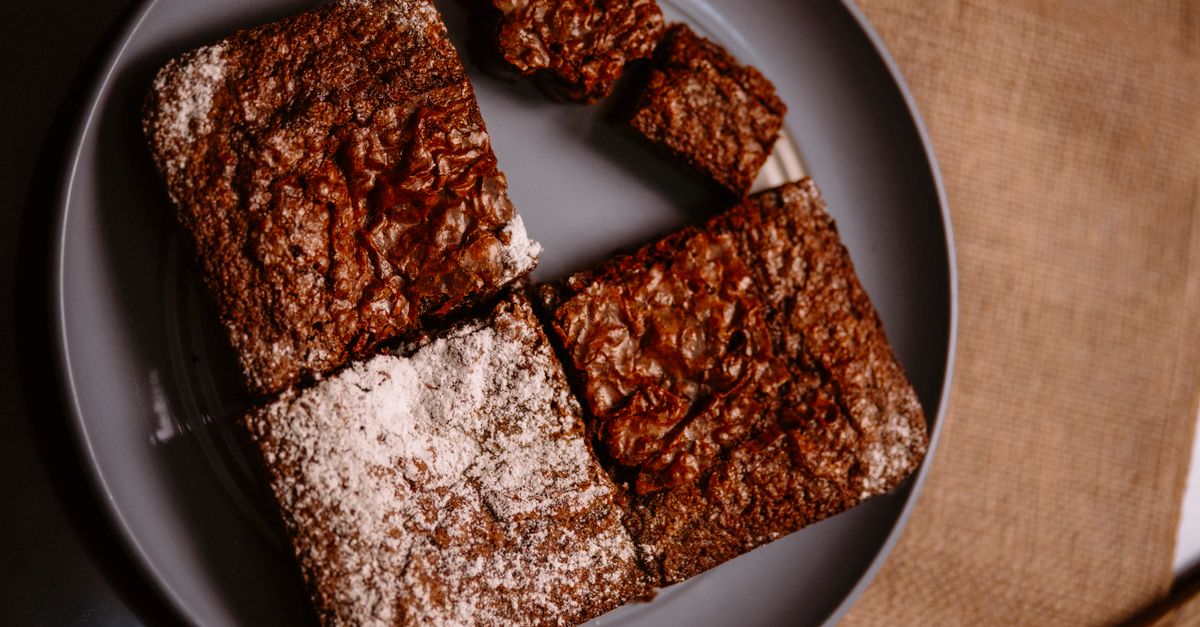
Why Your Homemade Brownies Aren't Fudgy (And The Simple Shifts That Guarantee Chewy, Chocolatey Perfection)
You’ve spent countless hours scrolling through Instagram, admiring those gorgeously rich, crinkly-topped brownies that promise an almost liquid center and an intensely chocolatey chew. You try recipe after recipe, convinced this will be the one. You follow every step, measure everything precisely, and yet, time and again, you pull out a pan of what can only be described as… cake. It’s light, it’s airy, it’s certainly chocolate-flavored, but it’s utterly devoid of that dense, melt-in-your-mouth fudginess you crave. You’re left wondering if the perfect fudgy brownie is just an urban legend, a baking unicorn forever out of reach.
I’ve been there. For years, my brownies were respectable, sure, but never fudgy. They were always just a step away from being chocolate cake, and the frustration mounted. I bought expensive chocolate, experimented with different flours, and adjusted oven temperatures, all to no avail. The crinkly top remained elusive, and the texture was always a disappointment. It felt like I was missing some secret, fundamental principle of brownie alchemy. What I eventually discovered was that the quest for fudginess isn’t about one magic ingredient or a single temperature tweak. It’s about a delicate dance of ratios, a specific approach to fat and sugar, and a non-obvious understanding of how eggs behave in a high-fat batter. It’s about being deliberate with your ingredients and technique, not just following a recipe blindly. Once I understood these core principles, my brownies transformed from good to unforgettable.
Key Takeaways
- Prioritize fat over flour and leavening to achieve a dense, fudgy texture that avoids a cake-like crumb.
- Utilize a higher proportion of granulated sugar to create that coveted shiny, crinkly top on your brownies.
- Avoid overmixing the batter and stick to minimal flour to prevent gluten development that leads to chewiness instead of fudginess.
- Precisely control baking time by pulling brownies from the oven when edges are set but the center is still slightly gooey.
The Non-Obvious Truth: It’s All About Fat-to-Flour Ratio, Not Just Fat Content
The most common misconception I see, and one I perpetuated for years, is that “fudgy” simply means adding more butter or oil. While a high fat content is crucial, it’s not just about the absolute amount of fat; it’s about the fat-to-flour ratio. Most cake recipes, including many “brownie” recipes masquerading as fudgy, have a relatively balanced fat-to-flour ratio, often with flour being equal to or even slightly higher than fat by weight. This creates structure and a lighter crumb, which is exactly what you want in a cake, but the antithesis of a fudgy brownie.
To achieve true fudginess, your fat content needs to significantly outweigh your flour content. Think of it this way: flour provides structure by developing gluten. Fat, on the other hand, interferes with gluten development, shortening those strands and creating a tender, dense texture. When the fat is dominant, the flour has less opportunity to build a rigid network, resulting in that wonderfully chewy, almost melt-in-your-mouth experience.
For my signature fudgy brownies, I aim for a fat-to-flour ratio of at least 1.5:1, and often closer to 2:1 by weight. This means for every 100 grams of all-purpose flour, I’m using 150-200 grams of butter or a combination of butter and oil. This ratio might seem excessive if you’re used to traditional baking, but it’s the game-changer. It’s why many “fudgy” recipes that still yield cakey results use too much flour or not enough fat in proportion. Don’t be afraid to significantly lean into the fat – it’s the primary driver of that dense, signature fudgy crumb, ensuring your brownies are more akin to a solid chocolate ganache than a light sponge.
Beyond the raw quantities, consider the type of fat. I find that a combination of melted butter and a small amount of neutral oil (like canola or grapeseed) offers the best of both worlds: the rich flavor of butter and the moistness and tenderness contributed by oil. The butter provides flavor, while the oil ensures they stay tender even after cooling. Never substitute all the butter for oil or vice versa without adjusting other elements, as butter’s water content and emulsion properties are unique.
The Crinkle Top Secret: It’s About Sugar, Not Just High Heat
That beautiful, tissue-thin, crackly top that shatters with each bite? For years, I believed it was a result of some magical high-heat oven blast or a secret ingredient. The real secret, in my experience, is much simpler: sugar quantity and method of incorporation. Specifically, a higher proportion of granulated sugar relative to other sugars, and ensuring it’s fully dissolved and integrated into the wet ingredients.
Many recipes call for a mix of granulated sugar and brown sugar. While brown sugar adds moisture and depth of flavor, too much of it can lead to a softer, less crackly top. Granulated sugar, with its pure sucrose crystals, is the key player here. When it dissolves into the fat and egg mixture, it creates a sugary meringue-like crust on top of the batter. As the brownies bake, this sugar layer cooks faster and sets earlier than the batter underneath, creating those distinctive fissures and that glassy, brittle texture.
My personal breakthrough came when I started using a minimum 1.5:1 ratio of granulated sugar to fat by weight (again, for example, 300g granulated sugar for 200g butter/oil). Crucially, I began whisking the granulated sugar vigorously with the melted butter and eggs for several minutes until the mixture was visibly lighter, thicker, and the sugar was mostly, if not entirely, dissolved. This step isn’t just about combining; it’s about creating a stable emulsion and dissolving those sugar crystals to set up that perfect crackle. If you simply dump and stir, the sugar won’t dissolve properly, and you’ll end up with a duller, softer surface. This meticulous whisking also incorporates a small amount of air, contributing to the initial lift before the dense fudginess sets in.
Avoid the Cakey Trap: Minimal Flour and No Overmixing
This is where most aspiring fudgy brownie bakers stumble, often unknowingly. The urge to add more flour for “structure” or to mix thoroughly until everything is combined is a direct path to a cakey brownie. Remember our earlier discussion about gluten? We want to minimize gluten development to achieve that dense, chewy texture.
First, use the absolute minimum amount of flour necessary. For a standard 9x13 inch pan, I rarely go above 1 cup (around 120-130 grams) of all-purpose flour, even with a generous amount of fat. Some of my most successful fudgy brownie recipes use even less, as little as ¾ cup. If a recipe calls for significantly more, be wary. A smaller amount of flour means less gluten can form, allowing the fat and sugar to dominate the texture.
Second, and equally important: do not overmix your batter once the flour is added. This is probably the single biggest mistake I see. Once your wet ingredients are beautifully emulsified, add your dry ingredients (flour, cocoa powder, salt, baking powder if using a tiny pinch – though I often omit it entirely for maximum fudginess). Mix just until the streaks of flour disappear. I mean it – literally a few seconds of gentle folding. If you use a stand mixer, switch to a spatula for this final step. Any more agitation develops gluten, which then traps air and creates a light, airy, cake-like texture. Your goal is a dense, almost pudding-like batter, not a fluffy one.
Furthermore, if you’re aiming for true fudginess, consider omitting baking powder or baking soda entirely, or using only a tiny pinch (1/4 teaspoon for a large batch). These leavening agents are designed to create rise and lightness, which are the enemies of fudginess. Their absence ensures the brownies stay dense and chewy, preventing them from puffing up into a cake.
The “Barely Done” Rule: Master Your Oven, Not Just the Recipe Time
Baking time is perhaps the most critical, yet most often misunderstood, aspect of achieving fudgy brownies. A recipe might say “bake for 25-30 minutes,” but your oven is a unique beast. Humidity, altitude, and even the type of pan you use (metal, glass, ceramic) can drastically alter baking times. Over-baking is the single fastest way to turn a potentially fudgy brownie into a dry, cakey disappointment.
My “barely done” rule means pulling the brownies from the oven when they still look slightly underbaked. The edges should be set and firm, but the center should still have a slight jiggle if you gently shake the pan. A wooden skewer inserted into the center should come out with moist crumbs clinging to it, not wet batter, but definitely not clean. If it comes out clean, you’ve already gone too far.
This is because brownies continue to cook from residual heat after they’re removed from the oven – a phenomenon known as carryover cooking. That slight jiggle will solidify into the perfect dense, gooey texture as they cool. If you wait until the center is completely firm in the oven, it will be dry and crumbly by the time it cools. Start checking your brownies at least 5-7 minutes before the recipe’s minimum suggested baking time. It’s far easier to put them back in for a few more minutes than to fix an overbaked batch.
I always use a light-colored metal pan for brownies, as it conducts heat more evenly and allows for more precise baking. Darker pans can overcook the edges before the center is done. If you must use a glass pan, reduce your oven temperature by 25°F (15°C) and add 5-10 minutes to the baking time, as glass retains heat differently.
The Power of Cooling: Patience is a Virtue (and the Key to Fudginess)
This might seem like a minor detail, but it’s a huge factor in the final texture. I know the temptation is immense to slice into warm, fragrant brownies straight from the oven. Resist it. Seriously.
Brownies need to cool completely to achieve their ultimate fudginess and density. As they cool, the internal structure sets, the melted fats re-solidify, and the sugars fully crystallize. If you cut into them while warm, they’ll be gooey, crumbly, and won’t hold their shape properly. While delicious in a molten, straight-from-the-pan kind of way, they won’t have that distinct fudgy chew.
My routine is to let them cool in the pan on a wire rack for at least 2-3 hours, or even longer. For truly perfect slices, I’ll often chill them in the refrigerator for an hour or two after they’ve reached room temperature. This firming-up period makes for clean cuts and maximizes that dense, chewy, almost caramel-like texture. This waiting period is what truly allows the chemical processes that create fudginess to finish, ensuring the final product is exactly what you’ve been aiming for. Once cooled, they’re ready to be cut into neat squares that hold their shape and deliver on their promise of decadent fudginess.
Frequently Asked Questions
Q: My brownies still taste like cake despite following these tips. What else could be wrong?
A: Double-check your ingredient measurements, especially flour, using a kitchen scale for accuracy. Even a small difference can impact the fat-to-flour ratio. Also, ensure you’re not using too much leavening (baking powder/soda) – aim for zero or a very tiny pinch for maximum fudginess. Overmixing the flour is also a critical error; mix only until the flour streaks disappear.
Q: Why do my brownies have a dull, flat top instead of a shiny, crinkly one?
A: The crinkly top comes from properly dissolved granulated sugar. Ensure you’re whisking the melted butter, sugar, and eggs vigorously for several minutes until the mixture is thick, pale, and the sugar is mostly dissolved. This creates a sugary crust that crackles as it bakes. If the sugar isn’t fully dissolved, you won’t get that signature texture.
Q: Can I use oil instead of butter for fudgy brownies?
A: You can, but butter adds a richer flavor. For optimal results, I recommend a combination of melted butter and a neutral oil (like canola or grapeseed). Butter’s water content and emulsion properties are unique and contribute to the overall texture and taste. If using only oil, you might need to slightly adjust other liquid components.
Q: How do I know when my brownies are perfectly baked for fudginess?
A: The key is to underbake them slightly. The edges should be set, but the center should still have a slight jiggle. A wooden skewer inserted into the center should come out with moist crumbs, not wet batter, but definitely not clean. They will continue to set as they cool, so pulling them out when they look just shy of done is crucial.
Q: Do I need to use special chocolate for fudgy brownies?
A: While good quality chocolate (around 60-70% cacao) will always enhance flavor, the core principles of fudginess (fat-to-flour ratio, sugar, mixing, baking time) are more critical for texture. You can achieve very fudgy results with standard unsweetened cocoa powder and chocolate chips, but higher quality chocolate will undoubtedly elevate the overall experience.
The Journey to Your Perfect Fudgy Brownie
The quest for the perfect fudgy brownie is a journey many bakers embark on, often with more frustration than triumph. I’ve been through it all – the cakey imposters, the dry disappointments, the tops that refused to crinkle. What I ultimately learned is that baking, like so many things in life, is less about rigid adherence to a recipe and more about understanding the fundamental principles at play. It’s about being deliberate with your ingredients, respecting the delicate balance of fat and flour, and having the patience to let your creation transform.
My hope is that these insights help you bypass years of mediocre brownies and leap straight to chocolatey perfection. Remember the fat-to-flour ratio, the magic of dissolved granulated sugar, the dangers of overmixing, and the critical art of underbaking. And perhaps most importantly, embrace the waiting game as your brownies cool. Once you master these elements, you won’t just be following a recipe; you’ll be creating a decadent, deeply satisfying experience every single time. Now, go forth and bake the fudgiest brownies of your life. You deserve them.
Written by Eleanor Vance
Productivity and Home Management
A retired librarian with a lifelong passion for organization and effective learning strategies.
You Might Also Like

Why Your Homemade Cookies Are Hard (And The Simple Shifts That Guarantee Chewy Perfection Every Time)
Discover why your homemade cookies turn out hard and how to make them perfectly chewy every time with these simple, effective shifts.

Why Your Car Stereo Isn't Loud Enough (And The Overlooked Upgrade That Changes Everything)
Boost your car audio volume without distortion. Discover the overlooked component that transforms sound and how to upgrade it properly.

Why Your Home Always Feels Cold (Even With The Heating On) — And What Actually Works for Real Warmth
Discover the hidden reasons your home stays cold despite high thermostat settings, and learn practical solutions that actually deliver warmth.